energy · Tengiz Oil Field, Kazakhstan
TCO 3GI Pipeline Reroute — GIS Quality Control, Kazakhstan
Provided rigorous GIS analysis and quality control for Tengizchevroil's 3GI pipeline reroute in Kazakhstan — cross-validating GIS data against engineering spreadsheets, verifying ground profiles with 60m-depth geotechnical data, and delivering construction-ready alignment sheets for three drill points.
The Challenge
The Problem We Were Asked to Solve
Tengizchevroil (TCO) needed precise GIS analysis and quality assurance for a pipeline reroute at the Tengiz oil field in Kazakhstan — one of the world's largest oil fields.
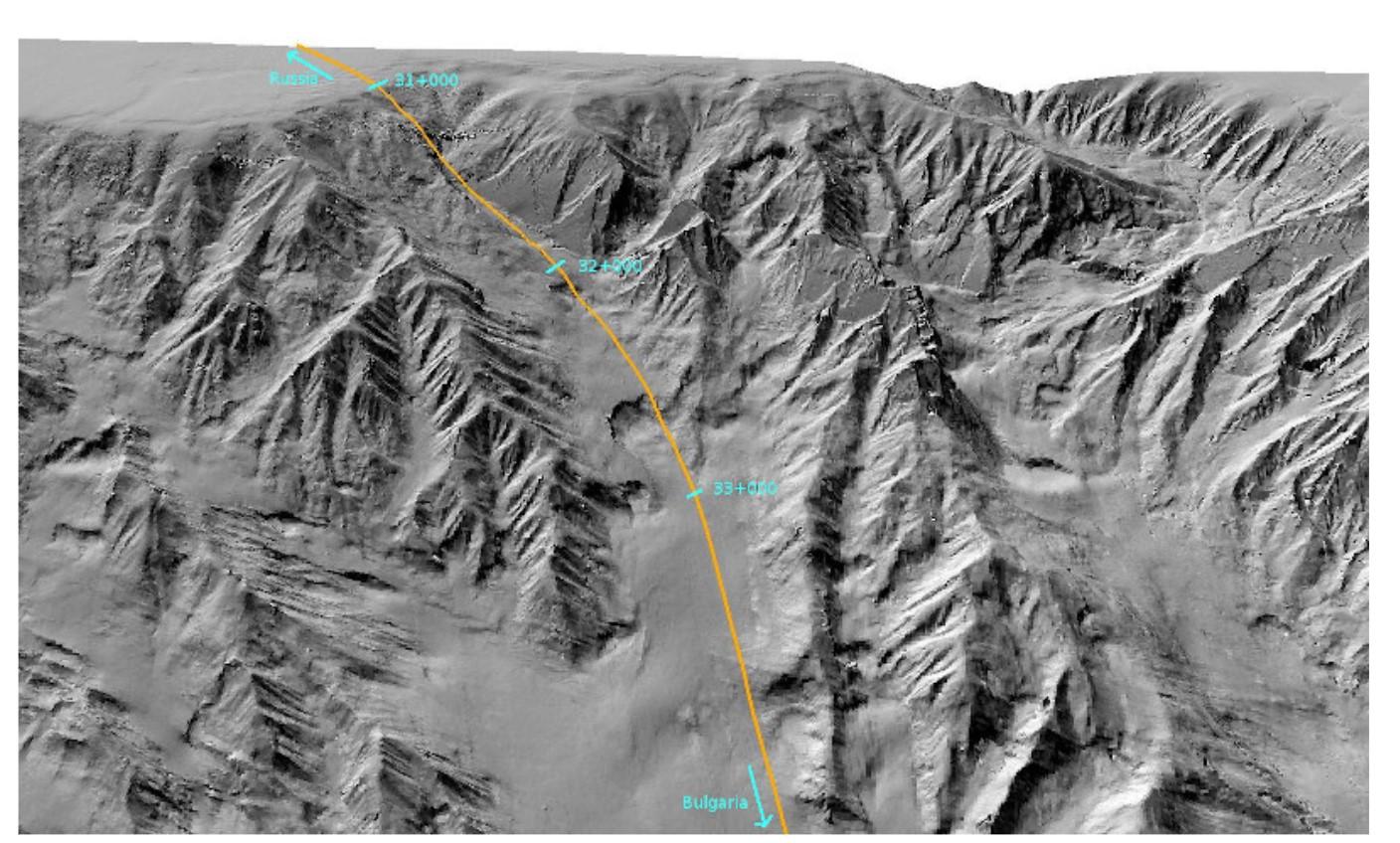
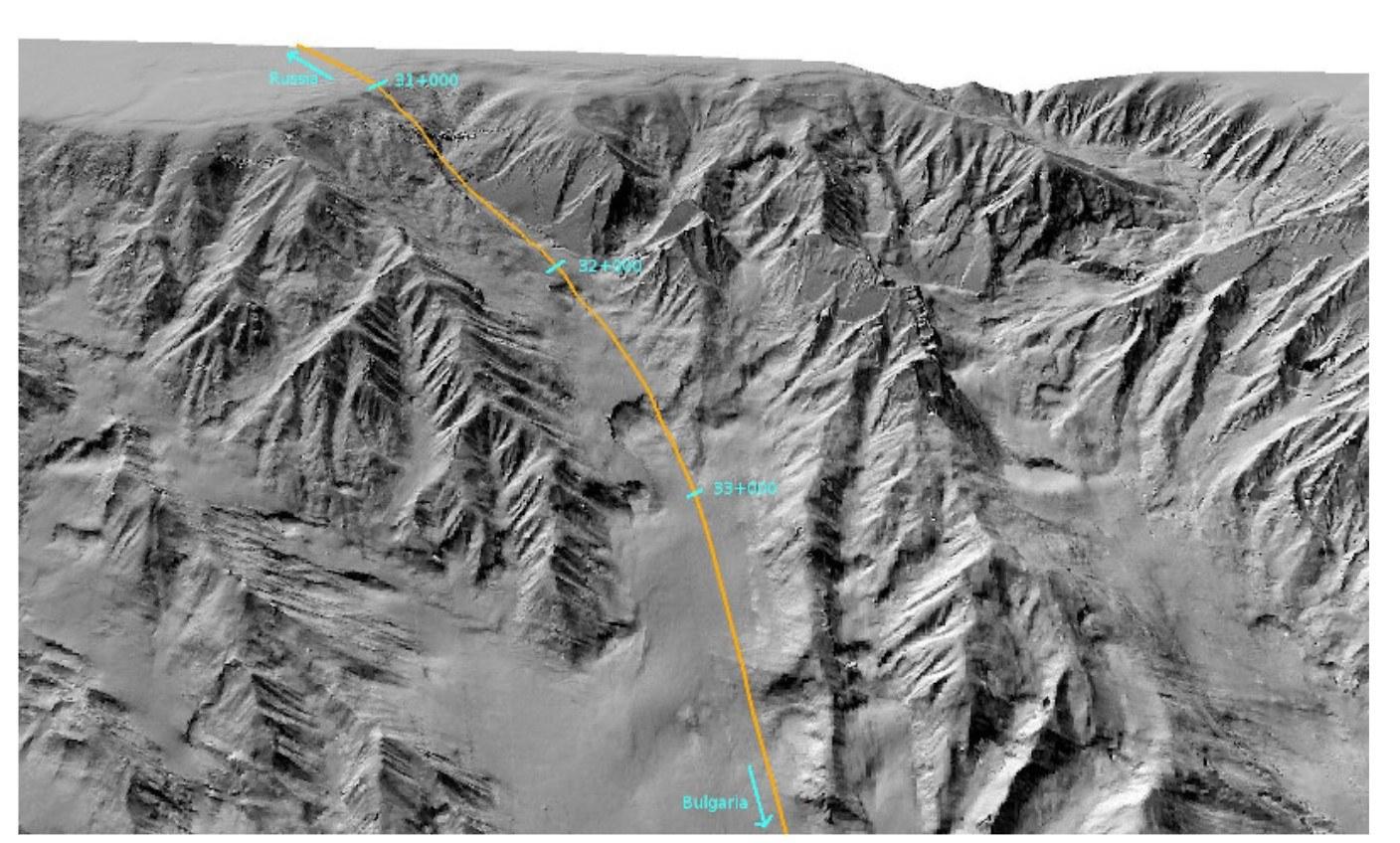
The reroute introduced complex alignment changes through challenging terrain. The key requirement was to independently validate the pipeline alignment data against engineering spreadsheet calculations before construction, verify ground profiles using deep geotechnical survey data, and deliver construction-ready outputs for three pipeline design points. Data quality at this stage was critical — errors would propagate to construction in a remote, high-value environment.
Project Details
- Client
- Tengizchevroil (TCO)
- Year
- 2021
- Location
- Tengiz Oil Field, Kazakhstan
- Sector
- energy
Tags
Our Approach
What We Built
Baseline Data Processing
Received and processed the pipeline reroute data package alongside geotechnical survey data from a geotechnical survey location (60m depth). Established baseline datasets for all comparative analysis.
Cross-Validation
Conducted systematic cross-validation comparing the rerouted alignment as represented in GIS against the independent engineering spreadsheet calculations — flagging, investigating, and documenting any discrepancy in coordinate values, alignment bearings, or attribute data.
Ground Profile Verification
Analysed topographic profiles along the rerouted alignment using ArcGIS profile extraction tools, integrating 60m-depth geotechnical data to validate subsurface conditions against pipeline depth requirements and construction constraints.
Alignment Sheet Delivery
Processed the three pipeline design point alignments individually, generating construction-ready alignment sheets and rerouted alignment geometry in DXF format. Delivered formal QC documentation for the project record.
The Results
What Changed
Quality Assurance - Identified and resolved all discrepancies between GIS and spreadsheet data before the alignment was issued for construction — preventing potential rework or safety incidents in a remote, high-value environment - Ground profile verification using 60m geotechnical data confirmed subsurface conditions were consistent with pipeline design assumptions at all three pipeline design points
Construction Readiness - Delivered three construction-ready alignment packages with accurate bend geometry, verified coordinate data, and complete QC documentation - Pipeline reroute geometry incorporated correct bend radii and construction clearances, ready for handover to the installation contractor
Risk Reduction - Dual-source validation methodology provided an independent check on the engineering design data — a critical safeguard for infrastructure in a geologically complex and logistically challenging location - Formal QC process documentation provided an auditable record for TCO's project management and regulatory requirements
Work Examples
Explore More